ARC Raiders Beginner’s Guide
-
This arc raiders trading Beginner's Guide will help you get the most out of this unique PvPvE game. It covers everything from maps to extraction, loadouts, and crafting.
You're not the only one who feels overwhelmed by Arc robots, loot and other players trying their best to eliminate you. The game isn't easy to play with its combination of tactical PvPvE and extraction mechanics as well as the surprisingly complex customization system. This ARC Raiders Beginner's Guide will help you quickly get to grips with the game.
We will cover the systems that are essential to your raid experience - how you can prepare, choose your battles, get out safely and optimize loot runs. This ARC Raiders New Player Guide will help you learn the basics of how ARC Raiders is played, whether you are a beginner or want to improve your survival skills.
Are you stuck in your progression and need better gear? Mmoset sells arc raiders coins so you can get the best gear available from vendors without having to manually count all the resources to make everything. This service is fast, safe and performed by professionals. You'll be able to start the game much more easily.
How to play ARC Raiders - Game Objectives
ARC Raiders, a third person PvPvE extract shooter, is set in a retro-futuristic earth where hostile machines called the ARC have pushed humanity underground. ARC Raiders was developed by Embark Studios, the team behind The Finals. It originally launched as a free to play co-op shooting game at The Game Awards in 2021. The project's vision changed significantly over the years. By 2023, it had evolved into a full-fledged extracting shooter that placed a higher emphasis on tension and risk. The game will no longer be available for free and instead launch in 2025 as a paid-for title on current-gen consoles and PC.
The aesthetics of the game are heavily influenced by cassette-futurism and brutalist design. It also features artwork from Simon Stalenhag. Imagine CRT displays mounted on rusty technology, sun-bleached cities and remnants of 80s sci-fi fused with salvage gear from the 22nd century. This distinct visual identity represents a world in which the past and the future have collided to create something unique, rugged, and dangerous.
You can play ARC Raiders by mastering the loop. Drop in, scavenge as much as you can, avoid threats and then extract before it is too late.
You are a Raider - one of those brave scavengers that ventures out of Speranza's underground city into the "Rust belt" above. You must collect loot and defeat AI-controlled ARC robots and other players to survive.
You can choose what to do in each raid, which lasts 30 minutes. Will you stealthily collect scraps and avoid attention or will you storm high-tier loot areas swarming by enemy players and deadly ARC Patrols? Will you choose low-risk gear or risk it all with your best weapons to get a bigger reward?
This is how the core loop looks:
Deployment from Speranza, the hub city, using vendor gear or low-risk free loadout.
Search the surface of the ground for valuables and schematics.
Avoid or engage hostile NPC robots as well as human opponents.
Safe Pocket: Store valuable loot for guaranteed return.
Completing quests will reveal more stories and reward you.
You must escape via the raider hatches or elevators before the timer runs out, or else you will be killed.
Prepare for the next run by returning to base and upgrading, selling, or crafting gear.
The mechanics of the game are what make it so special. Let's continue with this ARC Raiders beginner guide and talk about them. BLOG20
Map selection and Raid Types
You must decide where you want to go first before every raid. This decision is important because each map has its own terrain, environment hazards, history and loot potential. The game currently features a rotating set of maps. Dam Battlegrounds is available all the time, while others, like Buried City or Acerra Spaceport, are only visible for a limited period. The ARC Raiders Tutorial is also held on the practice range.
Each map is designed for solo play as well as three-person teams. Your objectives will remain the same - gather materials, defeat enemy forces, and extract safely - but your strategy may change depending on the map layout, the weather, or even the time of the day.
You will also have to adjust to the dynamic events that occur on the world surface. They include rare enemy spawns and special loot, but they can also increase the danger. It is important to have a good understanding of the map in order to survive on a constantly changing battlefield.
Here is a brief overview of all the maps that are currently available:
Dam Battlefields: Alcantara Power Plant has become a war zone. This area is dangerous due to the toxic swamps and abandoned structures. This is a good starting point for new players, but it's still dangerous due to the high density of ARC.
Buried City is a haunting desert map, with narrow streets and courtyards. This environment is perfect for stealth but can also be a dangerous place to be ambushed by other Raiders.
Acerra Spaceport - A huge, vertical battlefield containing remnants from Earth's Exodus Program. The loot is usually hidden behind security checkpoints. Both ARC and Raiders flock to the central towers.
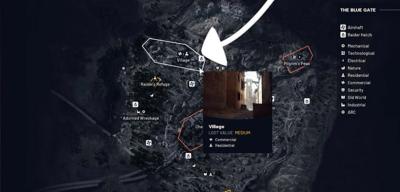
The Blue Gate is a mountainous area with lots of verticality. This map contains a number of weather research facilities.
Stella Montis is a network of tunnels with no surface access. This map is completely underground.
During raids, in addition to the core map, the following temporary events may occur:
Prospecting Probes are ARC devices with high security that, if they're defeated, can yield rare crafting materials.
Harvester: The Queen unit guards this massive machine. You can expect elite AI threats as well as top-tier loot.
Uncovered Caches - Lootable caches that have been uncovered by storms. These can explode if exposed too long. Speed is the key.
Husk Graveyard : Fallen ARC Units litter the field and create ideal conditions for scavenging robot parts.
Launch Tower Loot - A high-risk and high-reward area where loot is stashed on the summit of the tower, guarded by elite ARC.
Lush Blooms - Weather events have triggered the growth of rare flora. These plants are available for crafting bonuses.
Darkness: A phase of night that lowers visibility, increases enemy density and improves loot.
ARC Raiders rewards adaptability with its map system. Check the current raid rotation and events, then build a loadout to fit the fight.
Risk and reward in Loot Zones
You know how to play ARC Raiders. You can start it, choose a map and then go on a mission. But this game has something special. The core of the game is looting. Every raid revolves around grabbing loot, whether you're looking for rare schematics or crafting materials, grenades, bandages, etc. Not all containers or areas on the map are created equal. Success often depends on weighing risks and rewards in real-time.
Each map is divided into color-coded zones to indicate the potential quality of loot inside: From standard lockers and cabinets, to high value caches guarded either by ARC Patrols or event bosses. Each map has been divided into zones that are color-coded to indicate the quality of loot within:
White Zones are low-density areas that have basic gear and materials. Ideal for quick looting and stealthy runs.
Orange Zones: These zones contain higher-value loot, but they are patrolled frequently by ARC machines. Expect moderate resistance.
The Red Zones are the most dangerous and rewarding areas. Loaded with loot and usually swarming Raiders, tough enemies and other players.
Each loot source is categorized by a container. Here is a list of the most common types.
Weapon Case: One weapon, two ammo types or more, gun parts and mods, possibly a recipe.
Medical Bag: Upto 5 healing items, and sometimes a schematic.
Ammo case: multiple ammo stacked and the chance to craft recipes.
ARC Husks: These machine remains need to be breached but contain valuable ARC components, some of which can be used in high-end gear.
Buried Raider Cache : This cache contains a mixture of ammo and grenades. It also has a chance to find a weapon.
Field Depot Drop - Requires completion of the puzzle, but it refreshes every time. Excellent loot variety.
Supply Drop: A general-purpose cache containing ammo and grenades as well as healing items.
Vehicle Loot - Cars or trucks can contain electronic items, power supplies, and other items. Be careful to not set off alarms.
It's important to note that recycling loot from a raid will only return 50% of the usual material value. Therefore, it is best to break down items first, before extracting any valuable parts. Some objects, like Power Banks or Fried Motherboards, are worth salvaging for their valuable parts.
A smart Raider will learn to balance aggression and caution, as other players tend to gravitate towards high-level loot zones. You might get a cache by being loud, but it could also attract enemies that you are not prepared for. Players who are more stealthy may have better luck looting less-populated areas, and then slipping away quietly to get a good return.
Whatever style you choose to play, be sure to scan for loot boxes, keep an eye out for alerts and watch your carry weight. Most Raiders will only ever make the mistake of dying over one ammo container.
ARC Robots and Combat Strategy
Raiders face more than other players on the surface of Rust Belt. The ARC machines are the greatest threat. They're remnants of a technological force which once attempted to eliminate humanity. These autonomous enemies can take many forms, ranging from drones that move quickly to massive war machines. Some of these enemies skitter along rooftops, while others are mechanical giants that stalk the landscape. They all pose serious risks to players who are not prepared, regardless of their form.
Never underestimate the importance of engaging ARC units. They may offer valuable loot such as ARC Powercells and machine parts but they also create noise and draw attention from rivals and other ARC players. The combat loop of ARC Raiders is based on this risk-reward dynamics.
Here are the most common ARC enemies you will encounter along with their drops.
It's as much about the strategy of fighting ARC units as it is about your firepower. Cover, target weak points such as engines and exposed cores and be mindful of your noise. A long ARC battle is a surefire invitation for enemy Raiders.
After combat, make sure you loot ARC corpses. Many crafting blueprints and weapons upgrades require specific components that can only be found on ARC enemies. Know when to stop fighting. The last thing you want to do before extraction is pick a fight at the wrong moment with the wrong mech.
Noise and Stealth Mechanics
The sound in ARC Raiders goes beyond the atmospheric to become tactical. Each action a raider takes can be heard across the map and attract the attention of ARC forces as well as rival raiders. The audio design of the game turns noise into an important risk factor. Volume and timing can have a dramatic impact on the outcome.
Many gameplay actions create sound, which can be used to ambush or detect players. The sound propagates in different ways depending on the context. Combat, movement or environmental interactions all can betray you.
Sound sources that you should be aware of
The loudest and farthest-reaching gunfire signals immediate combat activity.
Explosives and Grenades – Create sound cues to attract attention in specific areas.
Breaking loot containers: Interacting with lockers, breaker boxes and cars produces sharp, mechanical noises.
Running and sprinting can be heard from a distance, especially when on hard surfaces.
Combat with ARC Machines - Engaging larger ARC types can produce extended noise, and trigger additional spawns.
Birds startled by walking too close to flocks resting can cause a loud flap of the wings. After a few minutes, the birds reset and return the trap to neutral.
These audio cues create an ambient tension layer across the surface. In this PvPvE environment, players may not be aware that every shot, step, or spooked-bird can start a chain of events.
Character Leveling and Progression
Your character's long-term progress is crucial to how you manage raids, enemy attacks, and general efficiency in the Rust belt. This progression is linked to an experience system which feeds into quests, skill trees and other reward systems that are designed to shape your power level and playstyle.
You earn XP as you complete quests, raids and other activities. The XP you earn will contribute to your Raider Level and you can use it to gain skill points. These trees affect things like stamina, stealthiness, looting speeds, mobility, or even special mechanics such as breaching locked containers. You can gradually adapt your build and unlock new mechanics to fit your playstyle, whether it's stealthy survival or aggressive looting.
Quests play an important role in progression, even beyond the skill system. These quests are provided by NPC vendors, who reward players with XP and crafting materials. Sometimes, they even grant weapons or schematics. These quests provide narrative flavor and also specific gameplay tasks to encourage map exploration during raids.