5 Signs Your Horse Needs a Better Fly Mask Right Now
-
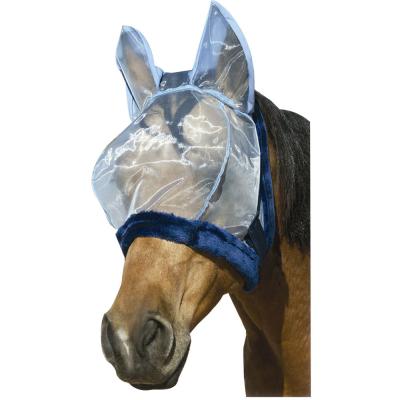
A fly mask is more than a seasonal accessory. It is a horse protective covering, designed to fit on the horse's head. Discomfort, health problems, and pain can ensue when the fit or quality is off. A lot of horsemen keep using the same equipment without even realizing all the subtleties that are at play when it is no longer doing its job. If you spot these symptoms early, the quality of life for your horse can be greatly increased.
Common too much tearing or watering of the eye
If your horse keeps getting eye irritation, that's one of the first signs that he needs a new fly mask. If you're noticing a lot of tearing, redness, or frequent blinking the mask might not be providing enough protection. Badly designed masks let flies and rubbish enter around the sides, particularly by the eyes. Infections or inflammation can result from this exposure over time. The mask's design must fit snugly so that your face is covered in a protective barrier and you can see and breathe easily.
Visible rubbing or head shaking
When a horse is always rubbing his face on fences, runners, or stable walls, it’s commonly due to irritation. Head shaking can also indicate irritation from biting insects or pressure points (as in the case of an ill-fitting fly mask). Masks that are too tight can be irritating to sensitive skin, and loose ones might move around enough to become distracting. You want to be mindful about this, since excessive rubbing can cause hair loss or skin sores.
Poor fit around ears and face
When it comes to the effectiveness of a fly mask, fit is everything. The mask is not doing its job if it slips, beads, or fits loosely around the sides of your face, said David A. Westman, a former administrator at OSHA. Every horse has a head of its own, and sometimes the one-size-fits-all just fits weird. The design of the mask should fit around the face without being too tight or pushing against the eyes. A bad fit can compromise protection as well as your horse's acceptance of it.
Symptoms of heat or uncomfortable in warm weather
A good fly mask should offer protection without becoming overly hot. If your horse becomes agitated, sweating excessively on the face, or lashing out with its feet at the mask during warmer weather, breathability could be a factor. Heat-restricting materials can be uncomfortable, especially with prolonged use. Opt for a mask constructed in light, air-permeable material that can help keep flies at bay without overheating your horse.
Wear and tear reducing effectiveness
The best equipment breaks down over time. If the edges of your fly mask have begun to fray, it has stretched, or fastenings are broken in some way, then it’s time for a new one. Old components may not suppress insects effectively and even cause the risk of safety hazards by loose parts. Regular inspection helps keep your horse well protected. For those who haven't updated their gear in years, it may be an easy way to avoid uncomfortable situations.
Halfway through your quest for a better way to care for horses and what’s available today online is HorsePlay NZ which emphasizes the need to consider what combines comfort, durability, and ease of use when purchasing new gear. Their emphasis on practical horse care serves as a reminder to owners that the little things can add up when it comes to the health and comfort of our steeds.
Supporting future comfort and health
A good fly mask is an investment in the daily comfort of your horse. It lowers stress, decreases eye injury, and enables your horse to enjoy surroundings even where flies are abundant. Just like you check for fuss in your baby’s car seat, paying attention to signals of distress will help prevent a little problem from becoming a bigger one. Re-evaluating fit and condition on some sort of regular basis will help ensure good protection all season long.
Conclusion
When it comes to a horse being in pain, there is no verbal language for them to say this, but their actions and physical signs speak louder than words. Too frequent eye irritation, rubbing, bad fit, heat frustration, and too much wear and tear are all indications that you need a better fly mask. By acting soon and selecting a well-designed product, horse owners can provide additional comfort, help maintain health, and promote calmness while helping keep their equine partner protected during difficult scenarios.