Categories
Tags
Archives
Understanding Hair Restoration: A Closer Look at NeoGraft Techn
-
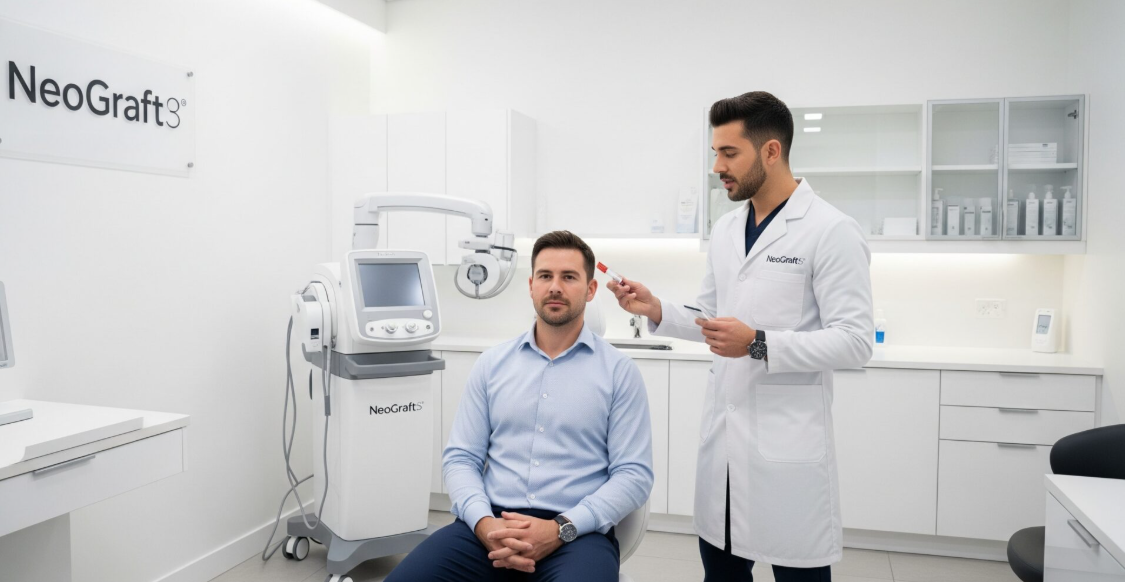 Hair loss can shape how people see themselves, influencing confidence and daily interactions in subtle ways. Among the various methods available today, the neograft hair transplant has gained attention for its minimally invasive approach and use of automated technology. Rather than relying on traditional strip methods, this technique focuses on extracting individual hair follicles, which are then implanted into thinning areas.
The process typically involves follicular unit extraction (FUE), where a specialized device removes hair follicles from a donor area, often the back of the scalp. These follicles are then strategically placed in areas experiencing hair loss. Because it avoids large incisions, the procedure is associated with less visible scarring and a shorter recovery period. However, it still requires precision and expertise, as the placement of follicles directly affects the final appearance.
One aspect that stands out is the balance between technology and human skill. While automation can assist in consistency and speed, the aesthetic outcome depends heavily on the practitioner’s understanding of hair growth patterns, density, and natural angles. This makes the selection of a qualified professional a critical step, regardless of the method used.
Recovery varies from person to person, but most individuals can resume normal activities within a few days. Initial shedding of transplanted hair is common, which can be confusing for those unfamiliar with the process. Over time, new hair growth begins, usually within a few months, gradually blending with existing hair. Patience becomes an essential part of the journey, as full results may take up to a year.
It’s also important to consider that not everyone is an ideal candidate. Factors such as the extent of hair loss, availability of donor hair, and underlying health conditions play a role in determining suitability. Consulting with a medical professional helps set realistic expectations and reduces the risk of dissatisfaction.
Conversations around hair restoration have shifted in recent years, moving from secrecy to openness. People are more willing to discuss procedures, share outcomes, and weigh options carefully. Within this evolving landscape, the neograft hair transplant represents one of several approaches, each with its own advantages and limitations, rather than a one-size-fits-all solution.